Echeveria Licorice: A Beautiful Succulent for Your Collection
Are you looking for a new addition to your succulent garden? Look no further than Echeveria Licorice! This stunning plant is characterized by its rosette shape and unique coloring, making it a standout in any collection. In this article, we'll explore everything you need to know about Echeveria Licorice, from its origins and care requirements, to its propagation and potential health benefits.
Echeveria Licorice, also known as Echeveria Black Prince, is a popular variety of the Echeveria genus. Native to Mexico, this succulent is prized for its striking dark purple to black coloring, which contrasts beautifully with its delicate pink flowers. Echeverias are generally easy to care for, making them a great choice for both novice and experienced succulent enthusiasts.
Appearance
One of the most distinctive features of Echeveria Licorice is its deep, moody coloration. The leaves are thick and fleshy, with a slightly pointed shape that forms a tight rosette. The outer leaves are often a pale green color, while the inner leaves darken to a rich purple or black. Echeveria Licorice typically grows to around 6 inches tall and wide, making it a relatively compact option for small spaces.
Sunlight Requirements
Like all succulents, Echeveria Licorice requires plenty of sunlight to thrive. Ideally, it should be placed in a location that receives at least six hours of bright, direct sunlight each day. However, it's important to be mindful of the intensity of the light - too much direct sun can scorch the leaves, while too little can cause the plant to become leggy and stretch out.
Soil and Watering
Echeveria Licorice prefers well-draining soil that allows excess water to flow away from the roots. A mixture of sand, perlite, and potting soil works well, but be sure to avoid heavy, clay-based soils that can trap moisture around the roots and cause them to rot. When it comes to watering, Echeveria Licorice is relatively drought-tolerant and should be allowed to dry out completely between waterings. Overwatering can be a major issue for succulents, so err on the side of caution and wait until the soil is completely dry before giving your plant a drink.
Temperature and Humidity
Echeveria Licorice is a hardy plant that can tolerate a range of temperatures, but it does best in warm, dry conditions. It can withstand temperatures as low as 40 degrees Fahrenheit, but ideally, it should be kept in an environment that stays above 60 degrees Fahrenheit. Humidity is not a major concern for this succulent, but it's worth noting that excessively humid conditions can lead to fungal issues and rot.
Propagation
One of the great things about Echeverias is how easy they are to propagate. The most common method is through leaf cuttings - simply remove a healthy leaf from the parent plant and allow it to callus over for a few days before placing it in well-draining soil. Keep the soil moist but not wet, and within a few weeks, you should to see new growth emerging from the base of the leaf. Another option is to divide the plant at the root ball, which can be when repotting or if the plant has grown too large for its container.
Potential Health Benefits
While there hasn't been extensive research into the health benefits of Echeveria Licorice specifically, many people believe that succulents in general can have a positive impact on mental and physical wellbeing. Some studies suggest that plants can help to purify the air, reduce stress levels, and improve cognitive function. Plus, caring for a living thing can be a rewarding and fulfilling experience in and of itself!
Common Pests and Problems
Like all plants, Echeveria Licorice is susceptible to a few pests and diseases. Mealybugs and spider mites are common culprits, and can be treated with insecticidal soap or neem oil. Overwatering can lead to root rot or fungal infections, so be sure to let the soil dry out between waterings. Additionally, if you notice your plant becoming leggy or stretched out, it may not be getting enough sunlight.
Echeveria Licorice is a beautiful and unique succulent that is sure to make a statement in any collection. With its deep coloration, striking shape, and ease of care, it's no wonder that this plant has become so popular among succulent enthusiasts. By following the tips outlined in this article, you can ensure that your Echeveria Licorice thrives and brings joy for years to come.
Frequently Asked Questions
1. How often should I water my Echeveria Licorice?
Echeveria Licorice prefers to be watered infrequently, and should be allowed to dry out completely between waterings. Depending on the environment, this could mean watering once every week or two.
2. Can I grow Echeveria Licorice indoors?
Yes! While Echeveria Licorice does require plenty of sunlight, it can be grown successfully indoors as long as it's placed in a sunny window or under a grow light.
3. Why are the leaves on my Echeveria Licorice turning brown?
Brown or crispy leaves can be a sign of underwatering, overwatering, or too much direct sunlight. Check to make sure that your plant is getting the right amount of water and light for its environment.
4. Is Echeveria Licorice toxic to pets?
While Echeverias are generally non-toxic to cats and dogs, it's still best to keep them out of reach as ingestion can cause gastrointestinal upset.
5. How can I encourage my Echeveria Licorice to flower?
Echeveria Licorice will typically produce pink flowers in the spring or summer when it's well-cared for and receives enough sunlight. If you're having trouble getting your plant to bloom, try fertilizing with a balanced succulent fertilizer and making sure it's getting enough light.
6. Can I grow Echeveria Licorice from seed?
Technically, yes - but it's not the easiest method of propagation. Echeveria seeds are tiny and require specific conditions in order to germinate successfully.
7. How big does Echeveria Licorice get?
Echeveria Licorice typically grows to around 6 inches tall and wide, making it a relatively compact option for small spaces.
8. Can I plant Echeveria Licorice outdoors?
Yes! As long as you live in a warm, dry climate where frost is not an issue, Echeveria Licorice can be planted outdoors in well-draining soil.
9. How do I know if my Echeveria Licorice is getting enough sunlight?
If your Echeveria Licorice is getting enough sunlight, the leaves should remain a deep purple or black color. If they to turn green or pale, it may be an indication that the plant is not getting enough light.
10. How do I prevent pests from attacking my Echeveria Licorice?
Regularly inspect your plant for signs of pests, and treat any infestations promptly with insecticidal soap or neem oil. Additionally, avoid overwatering and make sure your plant has enough sunlight to stay healthy and vigorous.
11 Echeveria licorice Images

Echeveria Purpusorum

Whos Ready To Spring Forward Saturday Night March 10 Tacisedum

Echeveria Blue Bird

Echeveria Happy Green Echeveria Succulents Plants

3895 Best Images About Garden Inspiration On Pinterest Rare

Echeveria Afterglow Echeveria Afterglow Succulents Echeveria

Echeveria Peacockii Subsessilis

Pin On How To Plant Succulents

Echeveria Lilacina

Echeveria Lilacina Echeveria Lilacina Echeveria Succulents
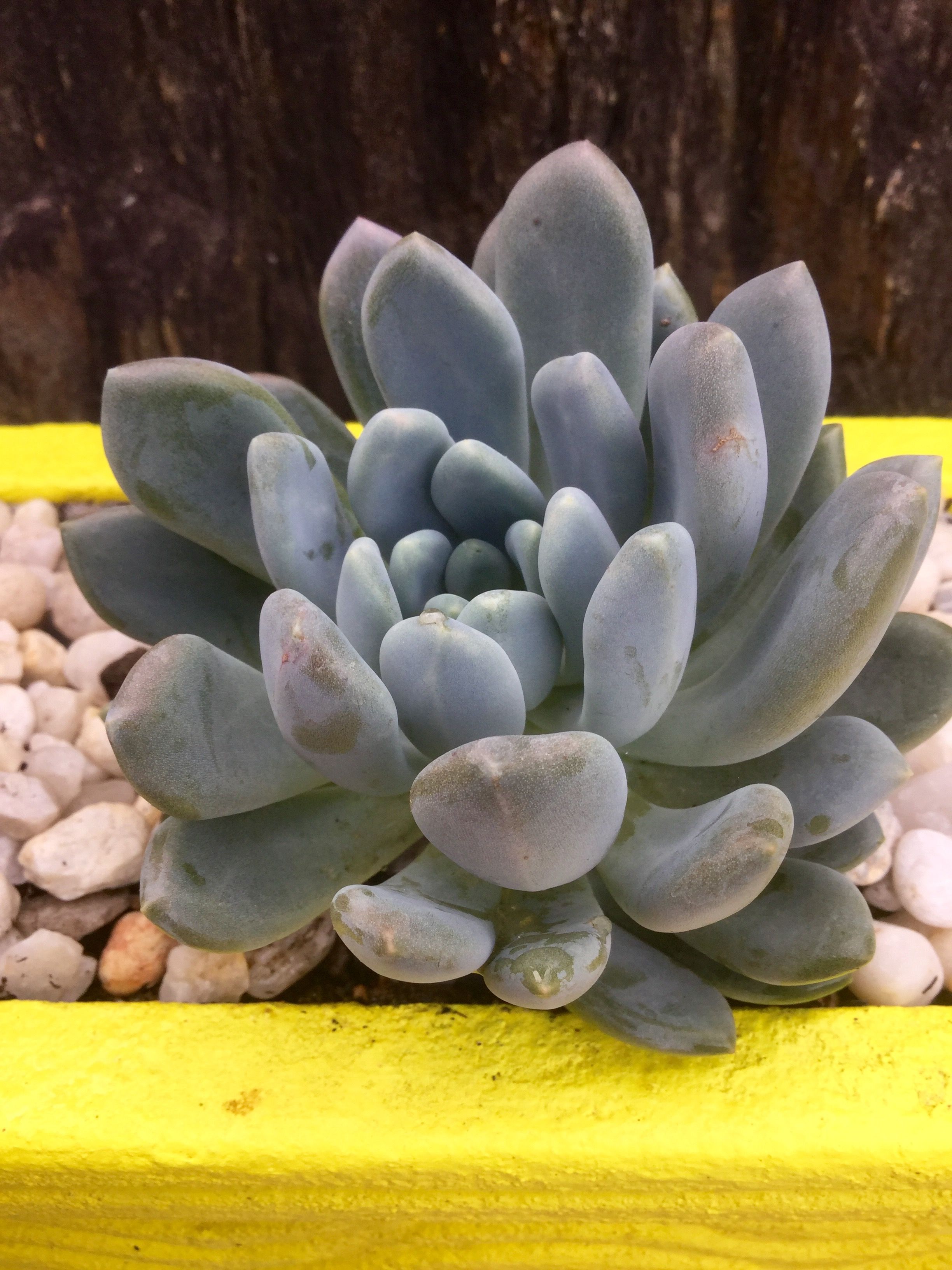
ECHEVERIA ELEGANS BLUE Echeveria Succulents Plants
Posting Komentar untuk "Echeveria Licorice: A Beautiful Succulent for Your Collection"