Callisia: The Ultimate Guide to Growing and Caring for this Remarkable Houseplant
If you're a houseplant enthusiast, you might have already heard about the beautiful and versatile plant that is Callisia. This easy-to-grow houseplant has become quite popular among indoor gardeners due to its unique foliage, low maintenance requirements, and air-purifying qualities.
In this blog post, we'll dive deep into everything you need to know about Callisia. From its origins and different varieties to its care and propagation tips, we've got you covered. So, let's get ed!
Callisia is a genus of flowering plants in the Commelinaceae family that includes over 20 species native to the Americas. The most commonly grown species of Callisia is Callisia repens, also known as the Turtle Vine or Inch Plant.
This low-growing, trailing plant has small, round leaves that grow in clusters along thin stems. The leaves are typically green but can also display shades of purple, pink, or variegation depending on the variety.
Callisia is a great plant for beginners as it is incredibly easy to care for and doesn't require much attention. It also has many benefits, including air purification, stress reduction, and aesthetic appeal.
Let's take a closer look at the different aspects of growing and caring for Callisia.
Origins and Varieties of Callisia
As mentioned earlier, Callisia is native to the Americas, with most species found in Mexico, Central America, and South America. The genus was named after Italian botanist Giulio Cesare Cassini, who was a professor of botany in Paris during the early 19th century.
There are several varieties of Callisia available in the market, each with its unique characteristics and growth habits. Here are some of the most popular ones:
- Callisia repens: It is the most commonly grown variety of Callisia. It has small, rounded leaves that grow in clusters along thin stems. Its leaves can be green, purple, or variegated, depending on the cultivar. This plant is perfect for hanging baskets or as a ground cover in larger pots.
- Callisia fragrans: It is a rare variety of Callisia that has fragrant flowers. The flowers are small and white, and they appear in clusters at the end of the stems. This plant has long, narrow leaves that are green with silver stripes.
- Callisia navicularis: It is a slow-growing variety of Callisia that has boat-shaped leaves. The leaves are green and have a glossy texture. This plant is perfect for terrariums or small containers.
Planting and Soil Requirements
Callisia is an easy-to-grow plant that doesn't require much attention. However, to ensure its healthy growth, you need to provide it with the right planting medium and soil.
When planting Callisia, make sure to use a well-draining potting mix that contains peat moss, perlite, and vermiculite. You can also add some sand to the mix to improve drainage.
Callisia prefers slightly acidic soil with a pH of around 6.0 to 6.5. You can use a general-purpose fertilizer every two weeks during the growing season to promote healthy growth.
Watering Requirements
One of the best things about Callisia is that it doesn't require much water. In fact, overwatering can cause root rot and other problems.
Water your Callisia when the top inch of the soil feels dry to the touch. Make sure to water it thoroughly, allowing the excess water to drain out of the pot's bottom. Avoid getting water on the leaves as this can lead to fungal diseases.
During the winter months, reduce watering to once a month as the plant slows down its growth.
Light Requirements
Callisia prefers bright, indirect light but can tolerate some shade. Direct sunlight can burn its leaves and cause damage.
Place your Callisia near a window that receives filtered light or under artificial grow lights if you don't have access to natural light. Rotate the pot every few weeks to ensure even growth on all sides.
Temperature and Humidity Requirements
Callisia prefers warm temperatures between 60°F and 80°F (15°C to 27°C). It can tolerate slightly cooler temperatures during the winter months but not below 50°F (10°C).
This plant prefers moderate humidity levels between 40% and 60%. If the air in your home is too dry, you can increase the humidity by placing a tray of water near the plant or using a humidifier.
Propagation of Callisia
Callisia is an easy plant to propagate, making it perfect for beginners. You can propagate it through stem cuttings or division.
To propagate through stem cuttings, take a cutting that's around 4 inches long and remove the lower leaves. Dip the cut end in rooting hormone and place it in a pot filled with moist soil. Keep the soil moist and warm, and roots should develop in a few weeks.
To propagate through division, gently remove the plant from its pot and separate the clumps into smaller sections. Repot each section in fresh soil and water thoroughly.
Pests and Diseases
Callisia is generally a hardy plant that doesn't suffer from many pest or disease problems. However, like all plants, it is susceptible to some issues.
Some common pests that can affect Callisia include spider mites, mealybugs, and scale insects. To prevent these pests, make sure to keep the plant's leaves clean and free from dust and debris.
If you notice any signs of pest infestation, you can treat it with neem oil or insecticidal soap.
Some common diseases that can affect Callisia include root rot, powdery mildew, and leaf spot. These diseases are usually caused by overwatering or poor air circulation.
To prevent these diseases, make sure to water your plant correctly and provide it with good air circulation. If you notice any signs of disease, remove the affected leaves and treat the plant with a fungicide.
Callisia as an Air Purifier
Like many other houseplants, Callisia is an excellent air purifier. It can remove harmful toxins such as formaldehyde, benzene, and trichloroethylene from the air, making it a perfect addition to your home or office.
In addition to purifying the air, Callisia can also reduce stress levels and boost mood and productivity.
Frequently Asked Questions
Here are some commonly asked questions about Callisia:
Q1: Is Callisia toxic to pets?
A: Yes, Callisia is toxic to cats and dogs if ingested. Keep it away from your furry friends.
Q2: How often should I fertilize my Callisia?
A: You can fertilize your Callisia every two weeks during the growing season with a general-purpose fertilizer.
Q3: How do I know if my Callisia needs water?
A: Water your Callisia when the top inch of the soil feels dry to the touch.
Q4: Can I grow Callisia in a terrarium?
A: Yes, Callisia is an excellent plant for terrariums as it prefers moderate humidity levels.
Q5: Can I propagate Callisia in water?
A: Yes, you can propagate Callisia through stem cuttings in water.
Q6: How tall does Callisia grow?
A: Callisia typically grows up to 12 inches tall but can trail up to 3 feet long.
Q7: How do I prune my Callisia?
A: You can prune your Callisia by removing any dead or yellowing leaves. You can also pinch back the stems to encourage bushier growth.
Q8: How do I prevent my Callisia from getting leggy?
A: To prevent your Callisia from getting leggy, make sure to provide it with enough light and rotate the pot every few weeks to ensure even growth.
Q9: How often should I repot my Callisia?
A: Repot your Callisia every one to two years in fresh soil.
Q10: Can I grow Callisia outdoors?
A: Yes, you can grow Callisia outdoors in warm climates. However, it prefers partial shade and well-draining soil.
Callisia is an easy-to-grow houseplant that doesn't require much attention. With its unique foliage, air-purifying qualities, and low maintenance requirements, it's no wonder why it has become so popular among indoor gardeners.
From planting and soil requirements to propagation and pest management, we've covered everything you need to know about growing and caring for Callisia. So, go ahead and add this remarkable plant to your collection!
11 Callisia Images

Callisia Fragrans By Dyalma Pretty Plants Unusual Plants Plants

Callisia Soconuscenis Variegataalso Known As Callisia Congesta

Callisia Repens Looks Very Similar To C Cordifolia Suculentas

Callisia Repens Turtle Vine World Of Succulents In 2020 Garden

Pin On Garden Plants
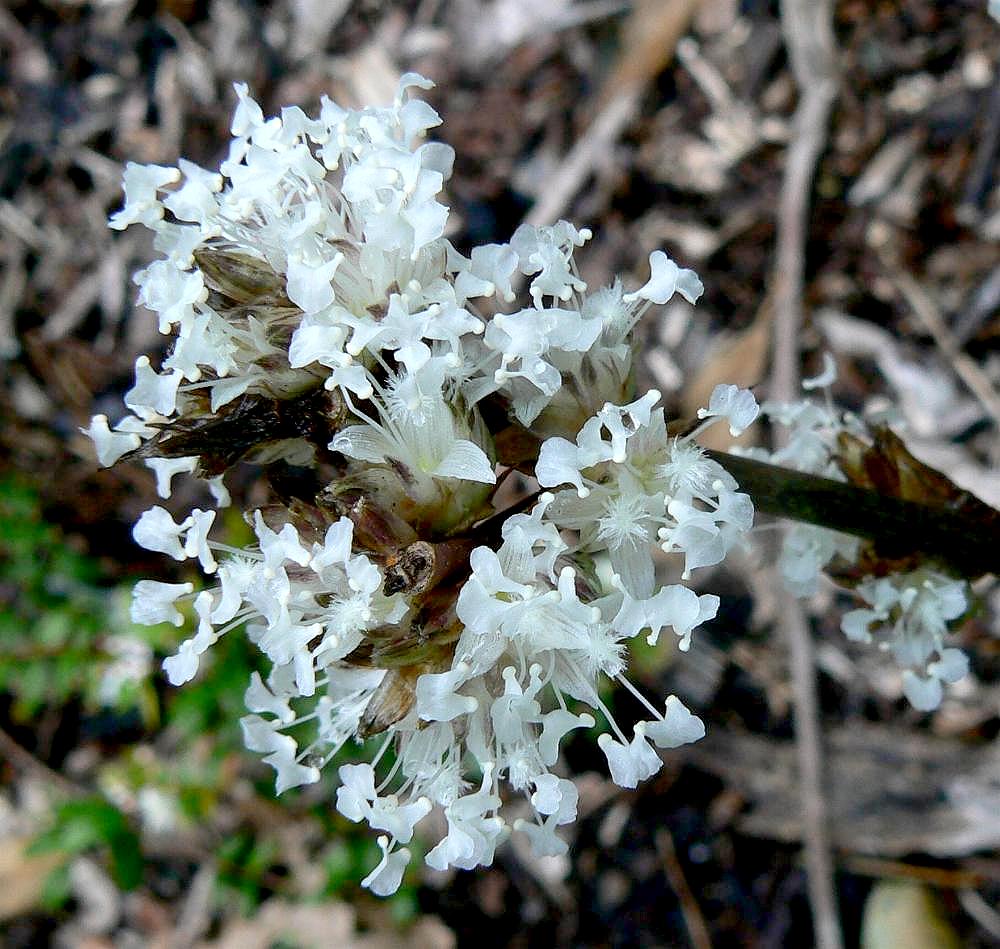
Callisiafragransjpg 1000949 Plants Color Earth

Callisia Repens Kamerplanten Potgrond Planten

Callisia Fragrans In 2021 Plants

Callisia Repens Krukvxter

Love The Colour Is Your Callisia Turning Purple Or Pink

Callisia Repens Turtle Vine World Of Succulents Blooming
Posting Komentar untuk "Callisia: The Ultimate Guide to Growing and Caring for this Remarkable Houseplant"