Schefflera Alpine: Your Ultimate Guide to Growing and Caring for this Stunning Plant
If you're looking for a plant that's both easy to care for and beautiful to look at, then Schefflera Alpine might be the perfect choice for you. This tropical plant is known for its glossy green leaves and stunning appearance, making it a popular houseplant among plant enthusiasts.
In this article, we'll take a closer look at Schefflera Alpine and provide you with everything you need to know about growing and caring for this plant. From light requirements to watering needs, we'll cover it all. So, let's get ed!
Light Requirements
Schefflera Alpine thrives in bright, indirect light. While it can tolerate some direct sunlight, too much can cause damage to its leaves. It's best to place your plant near a window that receives plenty of natural light but doesn't receive any direct sunlight.
If you don't have access to natural light, you can also use artificial lighting to keep your Schefflera Alpine healthy. LED grow lights are a great option for indoor plants and can help promote growth and prevent leaf drop.
Watering Needs
When it comes to watering your Schefflera Alpine, it's important to strike a balance between keeping the soil moist and avoiding overwatering. Overwatering can lead to root rot, which can be fatal for your plant.
To avoid overwatering, allow the top inch of soil to dry out before watering again. You should also make sure that your plant is in a well-draining pot to prevent water from sitting in the bottom of the pot.
Soil Requirements
Schefflera Alpine prefers well-draining soil that's rich in organic matter. A mixture of peat moss, perlite, and vermiculite is a good choice for this plant. You can also add some sand to the mix to improve drainage.
Temperature and Humidity
Schefflera Alpine prefers warm temperatures between 60 and 75 degrees Fahrenheit. It's also important to maintain a level of humidity around your plant to prevent its leaves from drying out. You can achieve this by misting your plant regularly or placing a humidifier nearby.
Fertilizing
To promote healthy growth, it's important to fertilize your Schefflera Alpine regularly. You can use a balanced liquid fertilizer every two weeks during the growing season (spring and summer) and once a month during the dormant season (fall and winter).
Propagation
Schefflera Alpine can be propagated through stem cuttings or by air layering. Stem cuttings should be taken in the spring or summer and should be placed in a well-draining potting mix. Air layering involves creating a small wound on the stem of the plant and placing it in a rooting hormone before wrapping it with sphagnum moss.
Pruning
Regular pruning is essential for keeping your Schefflera Alpine looking its best. Pruning can help control the size and shape of your plant and prevent it from becoming too leggy. You should prune your plant in the spring or summer and remove any dead or damaged leaves.
Pests and Diseases
Schefflera Alpine is generally a hardy plant and is not prone to many pests or diseases. However, it can be susceptible to spider mites, mealybugs, and scale insects. Regularly inspecting your plant for signs of infestation and treating it promptly can help prevent these pests from causing damage.
Toxicity
One thing to keep in mind when growing Schefflera Alpine is that it's toxic to pets and humans if ingested. If you have pets or small children, it's important to keep your plant out of reach or consider choosing a different plant that's non-toxic.
Common Varieties
There are several varieties of Schefflera Alpine available, each with its own unique appearance. Some popular varieties include:
- Schefflera Arboricola: This variety has smaller leaves and a more compact growth habit than other varieties.
- Schefflera Actinophylla: Also known as the umbrella tree, this variety has larger leaves and can grow up to 40 feet tall in its native habitat.
- Schefflera Amate: This variety has large, glossy leaves and is often used as a statement plant in interior design.
Benefits of Growing Schefflera Alpine
In addition to being a beautiful plant, Schefflera Alpine also offers several benefits. Here are just a few:
- Air purification: Like many plants, Schefflera Alpine can help purify the air by removing harmful toxins.
- Stress reduction: Studies have shown that spending time around plants can help reduce stress and improve mood.
- Aesthetic appeal: With its glossy green leaves and stunning appearance, Schefflera Alpine can add a touch of beauty to any space.
Schefflera Alpine is a beautiful and easy-to-care-for plant that's perfect for anyone looking to add some greenery to their home. With its glossy green leaves and stunning appearance, it's sure to impress anyone who sees it.
By following the tips outlined in this article, you can ensure that your Schefflera Alpine thrives and continues to add beauty to your home for years to come.
Frequently Asked Questions
Q1. Is Schefflera Alpine a low-maintenance plant?
Yes, Schefflera Alpine is generally considered a low-maintenance plant. It requires bright, indirect light and moderate watering, making it a great option for beginners.
Q2. Can Schefflera Alpine be grown outdoors?
Schefflera Alpine is a tropical plant and is best suited for indoor growing. However, it can be grown outdoors in warm, humid climates.
Q3. How often should I fertilize my Schefflera Alpine?
You should fertilize your Schefflera Alpine every two weeks during the growing season (spring and summer) and once a month during the dormant season (fall and winter).
Q4. Can Schefflera Alpine be propagated from cuttings?
Yes, Schefflera Alpine can be propagated from stem cuttings taken in the spring or summer.
Q5. What should I do if my Schefflera Alpine is infested with pests?
If your Schefflera Alpine is infested with pests, you should treat it promptly with an insecticidal soap or neem oil spray.
Q6. How tall can Schefflera Alpine grow?
Schefflera Alpine can grow up to 8 feet tall in its native habitat, but will typically remain smaller when grown indoors.
Q7. Is Schefflera Alpine toxic to pets?
Yes, Schefflera Alpine is toxic to pets and humans if ingested.
Q8. What are some common varieties of Schefflera Alpine?
Some popular varieties of Schefflera Alpine include Schefflera Arboricola, Schefflera Actinophylla, and Schefflera Amate.
Q9. Does Schefflera Alpine require high humidity?
Schefflera Alpine prefers moderate to high humidity, but can tolerate lower levels as well.
Q10. Can Schefflera Alpine be pruned?
Yes, regular pruning is essential for keeping Schefflera Alpine looking its best. Pruning can help control the size and shape of the plant and prevent it from becoming too leggy.
14 Schefflera alpine Images

Schefflera Or The Hawaiian Umbrella Tree Bonsai Flowering Bonsai

Growing Schefflera Tips For Schefflera Plant Care Houseplant And Plants

Scilla Bifolia Alpine Squill Plants Bulbous Plants Herbaceous

Schefflera

How To Grow And Care For Schefflera Schefflera Plants Container Flowers

Schefflera Umbrella Tree Octopus Tree Schefflera Actinophylla

Schefflera Arboricola 150 Cm Kopen Pflanzen Zimmerpflanzen

Schefflera Arboricola In 10 Pot Variegated Plants Umbrella Tree Plants
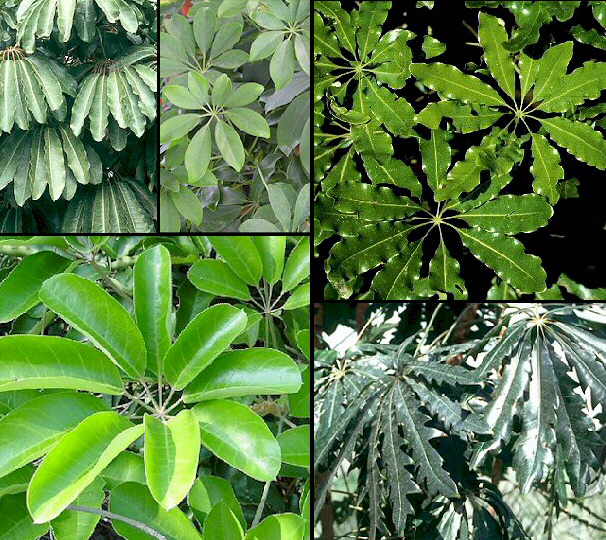
Schefflera Actinophylla Schefflera Arboricola Schefflera Veitchii

How To Prune A Schefflera Plant In 2021 Inside Plants Plants Schefflera
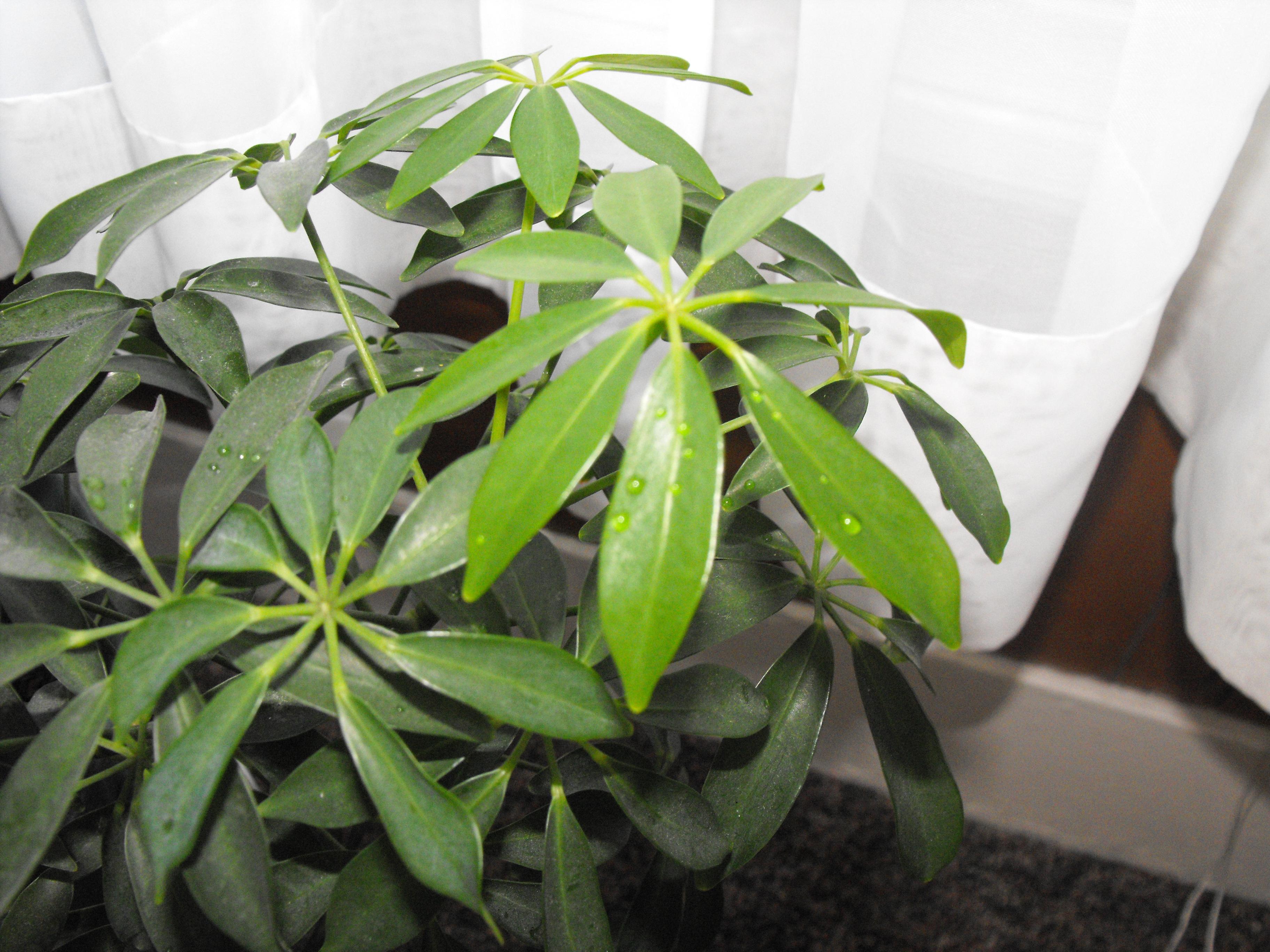
Schefflera

Schefflera Pueckleri Variegated Umbrella Plant Plants Schefflera

Entretien Du Schefflra Taille Arrosage Tous Les Conseils Pour Les

Photo Of The Entire Plant Of Umbrella Tree Schefflera Arboricola
Posting Komentar untuk "Schefflera Alpine: Your Ultimate Guide to Growing and Caring for this Stunning Plant"